











The Short Answer on Buffet Time Limits
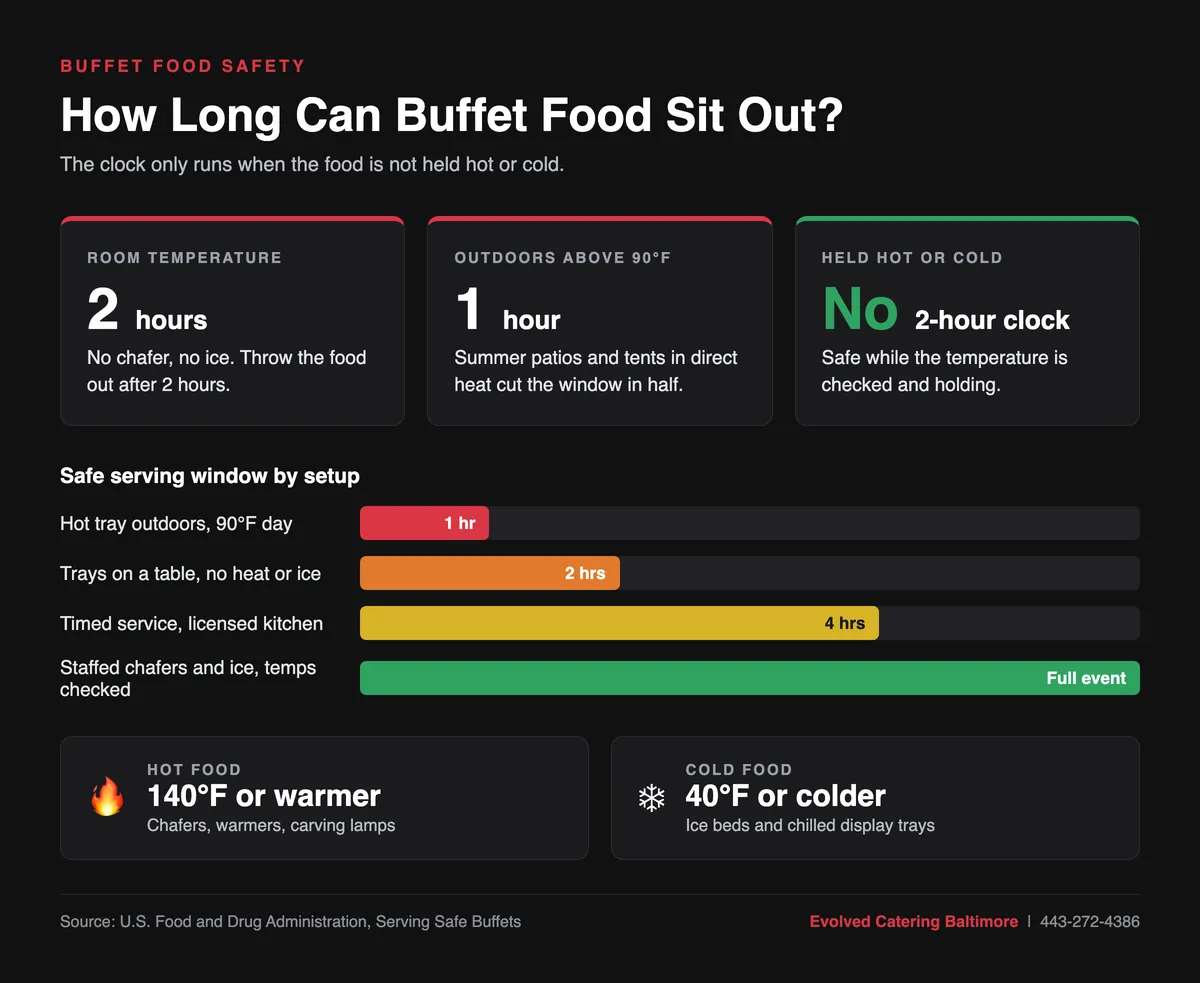
Buffet food is safe for 2 hours at room temperature. After 2 hours, throw the perishable food away. If the buffet is outside and it is hotter than 90 degrees, the limit drops to 1 hour.
That clock only runs when nothing is holding the food hot or cold. A dish in a working chafer or a tray sitting on ice is a different situation, and it can stay out much longer.
This post covers both: the limit for food that is simply sitting out, and what changes when the temperature is held and checked. For the service itself, see our buffet catering in Baltimore page.
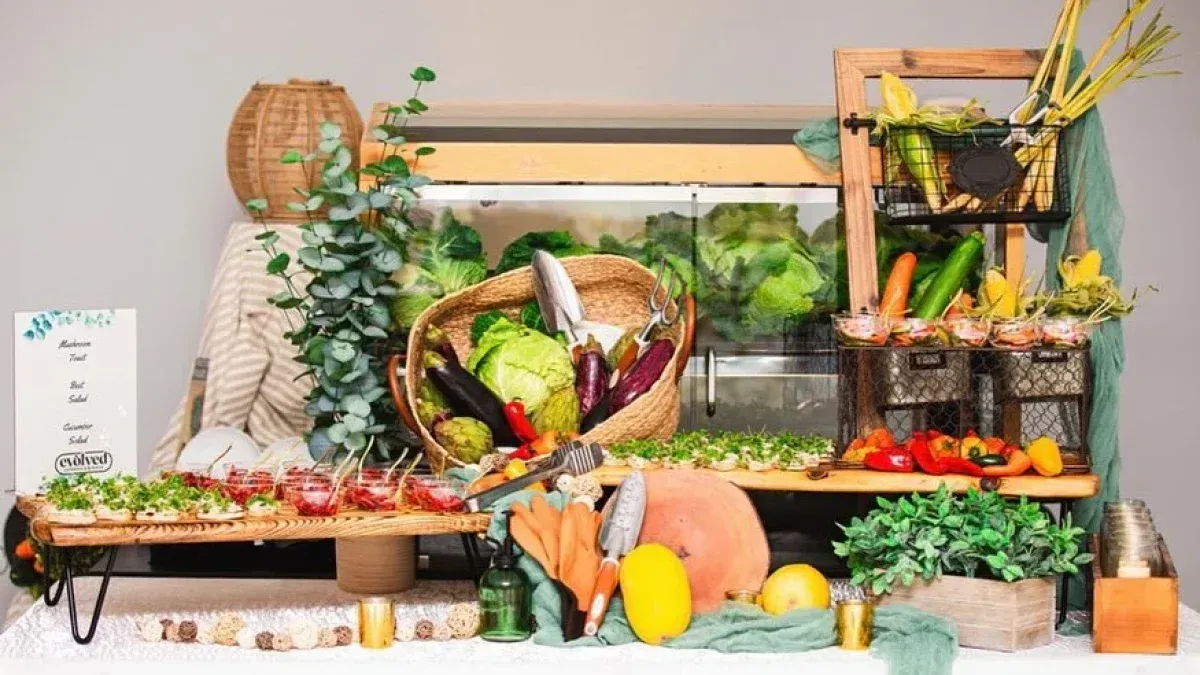
How Long Can Buffet Food Sit Out at Room Temperature?
Two hours. That is the limit for any perishable food left on a table with no heat under it and no ice beneath it.
The reason is bacteria. Between 40 and 140 degrees, bacteria grow quickly on cooked food, and you cannot see, smell or taste the problem. The U.S. Food and Drug Administration tells hosts to discard perishable food left at room temperature for more than 2 hours, and to cut that to 1 hour once the air is above 90 degrees.
The Clock Starts Before Guests Arrive
Most people start counting when the first guest reaches the table. The clock actually starts when the food leaves the oven or the refrigerator. Travel time, setup time and the wait before the toast all count.
That is why a tray dropped off at noon for a 1pm lunch has far less room than it looks. By the time plates are cleared at 2pm, the food has been in the open for close to 2 hours.
Not Everything Is on the Clock
Some items are safe to leave out. Cookies, cakes and breads, whole uncut fruit, nuts and dried meats like jerky do not need to be held cold.
Everything else on a normal buffet does. That means meats, poultry, seafood, eggs, dairy, cooked rice and pasta, cut fruit and vegetables, and anything dressed with mayonnaise or cream.
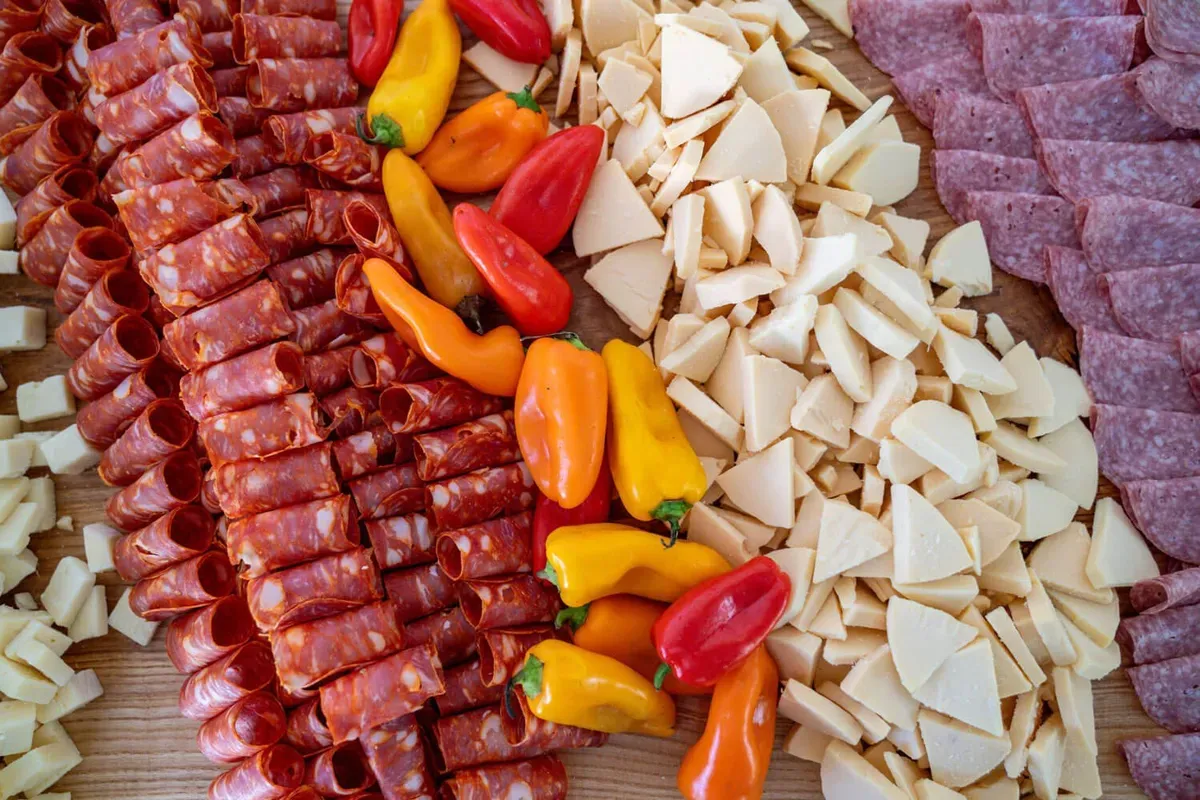
What Changes When Food Is Held Hot or Cold?
Holding replaces the clock. The FDA says hot food belongs at 140 degrees or warmer and cold food at 40 degrees or colder. Food kept inside those lines is not counting down, so a staffed buffet can run for the length of a reception.
The catch is the word held. A chafer with a cold fuel can, a warming tray that only reaches 110 or 120 degrees, or a bowl of ice that melted an hour ago are not holding anything. If nobody is checking with a thermometer, treat the food as if it is simply sitting out.
A chafer is part of that holding, not a way to warm food back up. Here is holding food in a chafing dish and the two temperatures that decide it.
The Four Hour Option Professionals Use
Licensed kitchens have a third option. Health departments that follow the FDA Food Code, the model most states and counties build their rules from, allow a kitchen to use time instead of temperature for a set window, commonly 4 hours. The food must start at a safe temperature, it must be marked with a discard time, and it is thrown out at the end of the window even if nobody has touched it.
That option belongs to a licensed operator with written procedures and timers. It is not a reason for a host to leave trays on a table for 4 hours and hope.
Never Top Off a Half Empty Pan
One habit undoes all of it. When a pan runs low, do not pour fresh food on top of the old. The food underneath has been out the longest, and adding new food resets nothing. Swap in a full pan from the kitchen and take the old one away.
Small pans refilled often beat one giant pan every time. Less food is exposed, the line looks fresher, and the kitchen keeps the backup hot or cold until the moment it goes out.
What This Looks Like at a Baltimore Event
A buffet in a Towson ballroom, a waterfront room near Fells Point and a tent in Druid Hill Park all raise the same question in different ways. The ballroom is climate controlled. The tent in August is not.
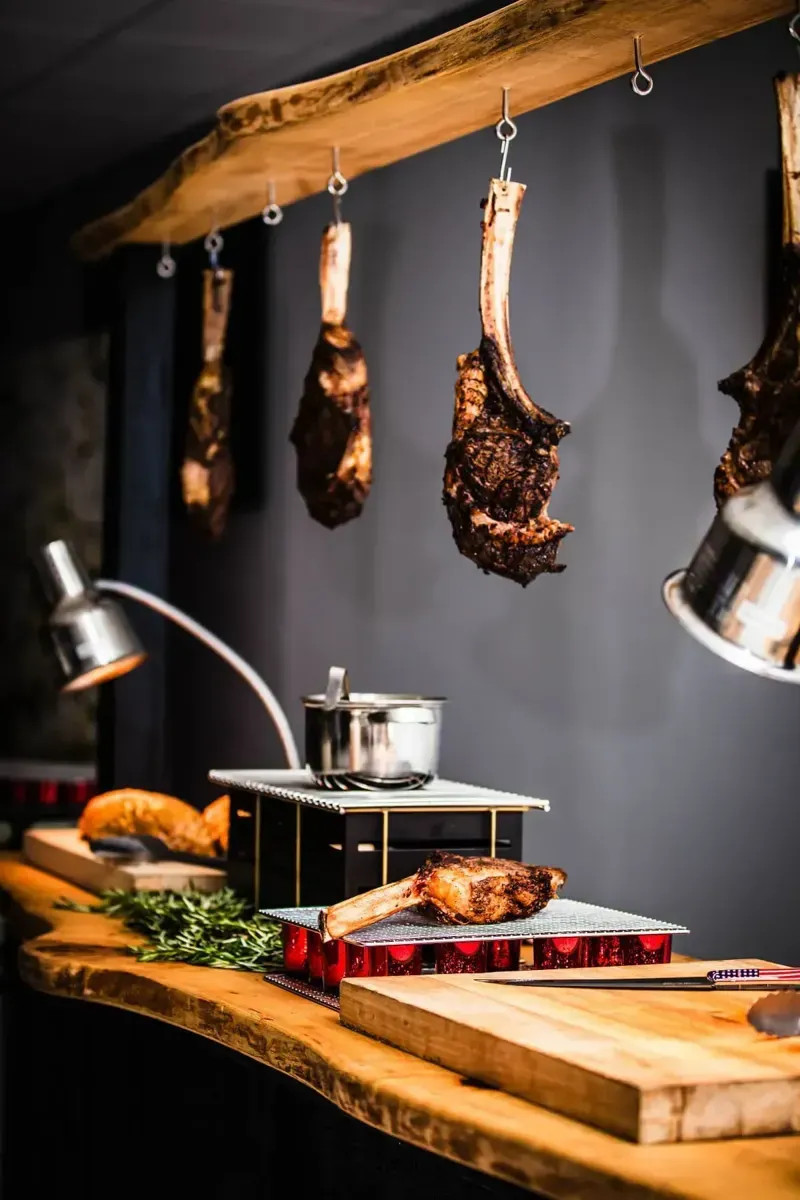
At Evolved Catering Baltimore, hot dishes are held at temperature in chafing dishes and cold items sit on ice. Our staff rotates trays and refreshes stations through the event so nothing sits too long. That is the whole job on an outdoor day, and it is why staffing matters more than the menu once the temperature climbs.
Chef Zack Trabbold and our team run buffets for groups from 30 to 500 guests across the Baltimore area, and the setup changes with the room. A tent gets shade over the line, deeper ice beds and smaller pans swapped more often. A ballroom gets a longer line and fewer trips.
Who Is Watching the Temperature Matters
Caterers in Maryland are licensed and inspected by state and local health officials through the Maryland Department of Health food protection program, so a full service buffet arrives with trained staff, working equipment and thermometers already in the plan.
A drop off order is different. The food is prepared in the same licensed kitchen, but once it reaches your table the timing belongs to you. Ask what time it left the kitchen and build your service window from there.
How Do You Keep a Buffet Safe Without Watching the Clock?
Decide who owns the temperature before you book. With a staffed buffet, the caterer owns it. With a drop off, you do. Everything else follows from that one choice.
Set a Real Serving Window
Pick the time the line opens and the time it closes, and tell your caterer both. A two hour window with staffed stations is simple to run. A buffet that opens at 5pm and stays out until the last guest leaves at 10pm needs a plan for fresh pans, not a longer fuel can.
Ask Three Questions Before You Sign
Ask how the food will be held, who is checking it, and what happens to the pans at the end of the night. The last one surprises people, so it is worth reading what happens to leftover food after a catered event before the event rather than while the staff is packing up.
If your plan leans on chafing dishes, know what that equipment can and cannot do, because holding food and reheating food are not the same job. Our guide to reheating food in a chafing dish walks through it.
Menu Rules Change the Setup Too
Some menus come with service rules of their own, and those rules shape the line before food safety ever enters the conversation. If guests keep kosher, start with the difference between kosher and kosher style catering, then build the stations around the answer.
Do those four things and nobody at your event has to stand over a tray doing math. The window is set, the staff is holding temperature, and the pans get swapped before anything goes long.
Frequently Asked Questions
Can you eat buffet food that has been sitting out for 3 hours?
Not if it was sitting at room temperature with no heat and no ice. Past 2 hours, perishable food should be thrown away, and reheating it does not make it safe again. If the dish was held at 140 degrees or warmer, or 40 degrees or colder, and someone was checking it, 3 hours is fine.
How long can cold foods like salad and charcuterie sit out?
The same 2 hours applies to cold dishes left on a plain table. Set the trays on a bed of ice and they stay at 40 degrees or colder, which takes them off the clock. Replace the ice as it melts, because a warm ice bath is just a table.
Does the 2 hour rule apply to a catered buffet in Baltimore?
It applies to any food left out with no temperature control, in Baltimore or anywhere else. A full service caterer avoids it a different way, by holding hot and cold dishes at temperature and swapping pans through the event, so the food is never in the open long enough for the clock to matter.
Planning a buffet in Baltimore and want the temperature off your mind? Evolved Catering Baltimore builds the menu, staffs the stations and keeps every dish at a safe temperature from the first guest to the last.