
Why Rooftop Events Start at the Elevator
A rooftop catering elevator plan sets when food, gear, and staff go up. It also covers what happens if the lift runs late. Rooftop service depends on that trip. Build the plan with your venue before you finalize Baltimore full-service catering.
Many rooftop spaces share elevators with tenants, hotel guests, or other events. The freight car may be booked in time blocks. A slow lift can push back setup, and guests can end up riding next to hot food.
For full-service events, Evolved Catering Baltimore assigns a floor manager who works with venue staff. This plan gives that person, and you, the answers ahead of time. Fill it in with your building contact. Then send a copy to your caterer with photos of the loading door and elevator.
Questions to Ask About the Freight Elevator
Ask these questions in writing and keep the replies. Building staff change shifts, and the person who gave your tour may not be there on event day.
Is There a Freight Elevator?
Some buildings have a separate freight car. Others expect vendors to use a guest elevator during set hours. Find out which one your caterer will use.
When Can the Crew Reserve It?
Ask for the reserved window for load-in and load-out. Confirm whether that window is yours alone or shared with other vendors. Get the booking confirmed in writing.
How Big Is the Car?
Ask for the door width, car depth, and ceiling height. Ask the venue for any posted weight limits. Tall racks and folding tables must fit with room to spare.
Who Runs the Elevator?
Some buildings need an operator, a key, or a security escort. Get that person's name and cell number. Ask who covers if they step away.
Where Is the Loading Door?
Find the dock or service entrance and its hours. Ask how long a vehicle can wait there. Note the path from that door to the freight car.
Lift-Delay Contingency Worksheet
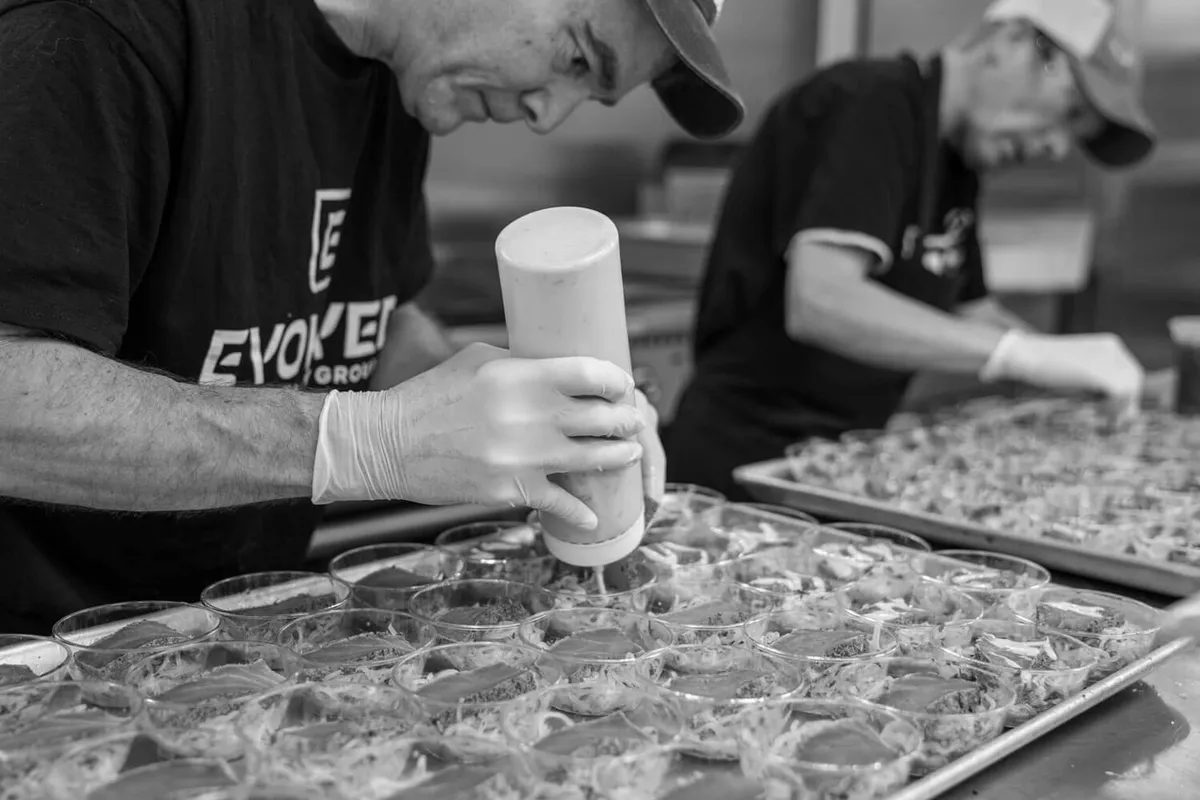
Elevators stall, get held by movers, or go down for service. This worksheet sets your backup plan before anyone waits at a loading dock. Fill it in with the building manager.
Backup Lift
Ask whether a second elevator can carry catering if the freight car stops. Note any hours or rules for using it with carts.
Service Stairs
Find the service stairs and count the flights to the roof. Decide which light items could go up by hand, such as linens or small boxes. Heavy hot boxes should not travel this way.
Early Load Buffer
Ask whether the crew can load in earlier than planned. Extra time before guests arrive absorbs most elevator delays. Ask what time the building opens its doors to vendors.
What Goes Up First
Rank the items by need. Tables, warmers, and cold storage usually go first, then food, then decor. If time runs short, the top of the list still makes it.
Decision Maker
Name who calls the backup plan and at what point. That may be the floor manager, the planner, or the building contact. Share every cell number.
Guest Hold Plan
If food runs late, decide where guests wait and what opens first. A drink station or passed snacks can start while the rest comes up.
Baltimore Buildings, Wind, and Load-In Realities
Baltimore rooftop events happen on older converted buildings and on newer towers. Each type brings its own elevator and loading limits. Ask about yours early.
Older Buildings, Smaller Cars
Converted warehouses and older offices may have small or slow freight elevators. Some cars have manual gates or tight doors. Measure before you plan large stations upstairs.
Downtown Loading and Traffic
Busy downtown streets can make curbside unloading hard. Ask the building where vendors should stop and whether a dock pass is needed. Plan extra time for traffic on game nights, concert nights, and at rush hour.
Wind and Weather at Height
Wind is often stronger on a roof than at street level. Rooftops near the harbor can catch steady breezes. Choose weighted displays and covered dishes. Agree on an indoor backup room in case the weather turns.
Evolved Catering Baltimore works with venue staff on layout and timing. Every building has its own rules, so get elevator and loading terms from your venue in writing.

Staging, Guest Flow, and What to Send Your Caterer
Stage Upstairs or at Ground Level?
Staging upstairs keeps food close to guests but needs a spot out of sight. Staging downstairs saves roof space but adds elevator trips during service. Ask the venue for a back room near the roof if one exists.
Keep Guests and Service Apart
Ask whether guests and staff will share elevators once doors open. If they must, schedule service trips before arrival and during quiet moments. Plan so hot food and guests do not ride together.
Send your caterer the elevator answers, the contingency worksheet, and the building's vendor rules. Add photos of the loading door, the freight car, and the roof layout.
Hosting at home instead? The catering access plan for row homes covers doorways, stairs, and street unloading.
For the rest of the venue side, the venue and caterer handoff checklist helps you split duties.
Rooftop Catering Elevator Questions
Earlier than for a ground-floor event, because every item rides the elevator. The right time depends on the building's reserved window and the size of the setup. Confirm the load-in time with the venue and your caterer in writing.
Sometimes, but only if the building allows it. Many buildings set vendor hours or require the freight car. Ask the venue for its rules before you plan the load-in.
Agree on an indoor backup room in advance. Baltimore rooftops near the harbor can catch strong breezes, so plan weighted displays too. Name one person who decides when service moves inside.
Plan Your Rooftop Event With a Local Team
Evolved Catering Baltimore can review your elevator and building details and plan service around them. Call to talk through your Baltimore rooftop event.