











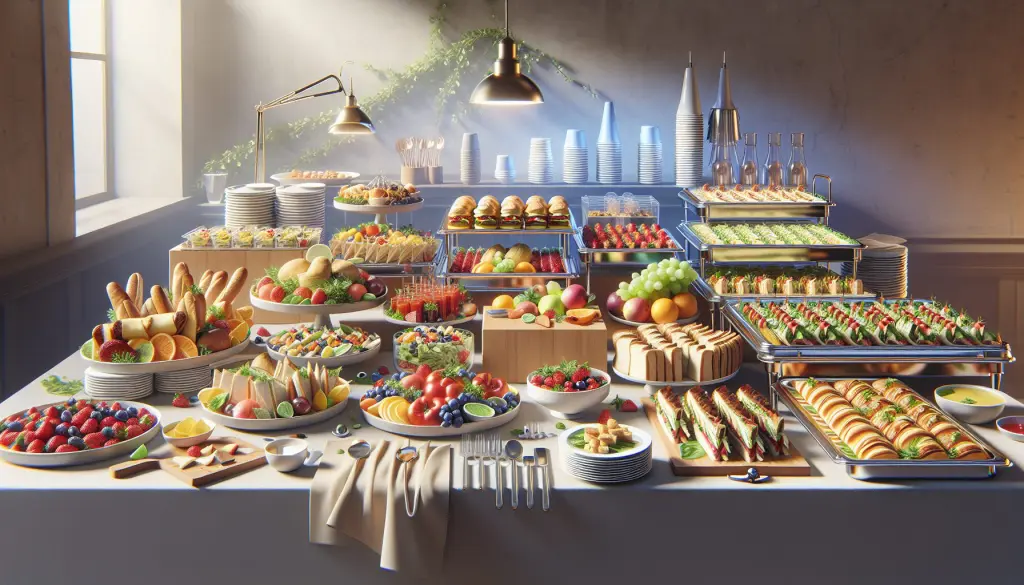
Planning your next event near Baltimore can be exciting, yet you might be wondering, “what is the cheapest food to cater?” Good news, a few practical strategies and menu choices can help you stay on budget without sacrificing taste. Below, you will find tips on popular low-cost options, ways to calculate expenses, and other tricks to keep costs in check.
Explore popular budget options
Some catering choices naturally cost less, especially when you focus on hearty, simple favorites. The Knot notes that certain dishes, like tacos or pizza, rank among the top affordable wedding foods. These options work well because they feature inexpensive core ingredients—tortillas, beans, dough, and sauce—that you can buy in bulk.
- Taco bars: Large pans of rice, beans, and ground beef with classic toppings (lettuce, cheese, salsa) let guests assemble their plates. You can also include vegetarian fillings like roasted veggies for variety.
- Pizza: Often a crowd-pleaser because of its familiar flavors. Many couples opt for a limited menu of dough, sauce, and toppings. This setup is easy to customize for guests with dietary preferences.
- Sandwich platters: Ideal for casual daytime events. Favorites range from turkey and cheese to veggie wraps. Add a salad and cookie tray, and you have a simple, budget-friendly spread.
- Soup and salad: Great for lunches or winter gatherings. Heartier soups like tomato bisque or minestrone pair well with salads that include nuts, fruits, and veggies.
If you want to compare the cost of these options to regular dining, check out is catering cheaper than a restaurant?. You will see that streamlined menus often help you lower expenses while still offering a satisfying variety.
Calculate catering costs wisely
Knowing how to calculate total expenses is just as important as choosing low-cost dishes. Food costs typically represent about 25-35% of your total revenue for both traditional and food truck catering, according to Paytronix. You can use the formula:
Food Cost = Total Ingredient Costs ÷ Numer of Portions
Applying this formula consistently helps you set prices and pinpoint your most economical dishes. If you want to take a deeper dive into cost calculations, check out how do i calculate catering costs?. You will find details on how to include all the necessary expenses (from raw materials to packaging).
Try portion control for savings
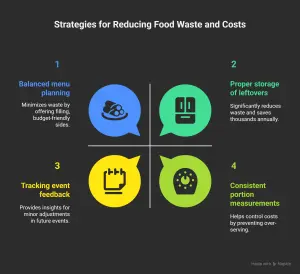
A reliable way to reduce waste—and keep your bill lower—is to plan portion sizes carefully. Restaurant365 recommends consistent measurements for each dish to avoid over-serving. As a general rule, half a pound to one pound of food per person works well for most buffets (Webstaurant Store).
- Offer a balanced menu: Include filling yet budget-friendly sides, like rice, beans, or bread, so you do not need extra entrees.
- Store leftovers properly: Proper storage can save you thousands of dollars in potential waste each year (Paytronix).
- Track event feedback: Note which items run out or remain untouched so you can refine your estimates next time.
For more help figuring out exact quantities, see how much catering to order for 20 people?.
Use local and seasonal ingredients
Another proven strategy is to design menus around seasonal produce, which can be both cost-effective and appealing. Ingredients in peak season often cost less and taste fresher. Paytronix also highlights that choosing local items can trim transportation fees and let you support nearby farmers—something many guests appreciate.
- Embrace flexible recipes: Swap out vegetables or fruits based on what’s in season.
- Negotiate with suppliers: Bulk discounts can make a difference, especially if you handle regular events.
- Cut special import costs: Avoid pricey out-of-season items that require shipping from distant locations.
Wrap up and next steps
When you plan your menu around simple favorites, consistent portion sizes, and local foods, you can keep your catering bill under control. If you want to see how your per-person costs stack up, check out what is the going rate for catering per person?. By mixing low-cost dishes with practical planning, you will provide a delicious experience for guests in Baltimore and beyond, all without breaking the bank. You have got this!