










The Difference in One Sentence
In family-style service, the food comes to the guests. In buffet service, the guests go to the food. Everything else, cost, staffing, timing, room layout, follows from that one difference.
Both formats are good. They are just good at different things. Evolved Catering runs both, and our family-style catering team will tell you straight when a buffet is the smarter call for your room and your guest count.
Below is a side-by-side on cost, service flow, and food safety, plus a simple way to decide.
How Each Format Actually Works
The mechanics matter more than the labels. Once you picture the room in motion, the right choice usually picks itself.
Family-style service
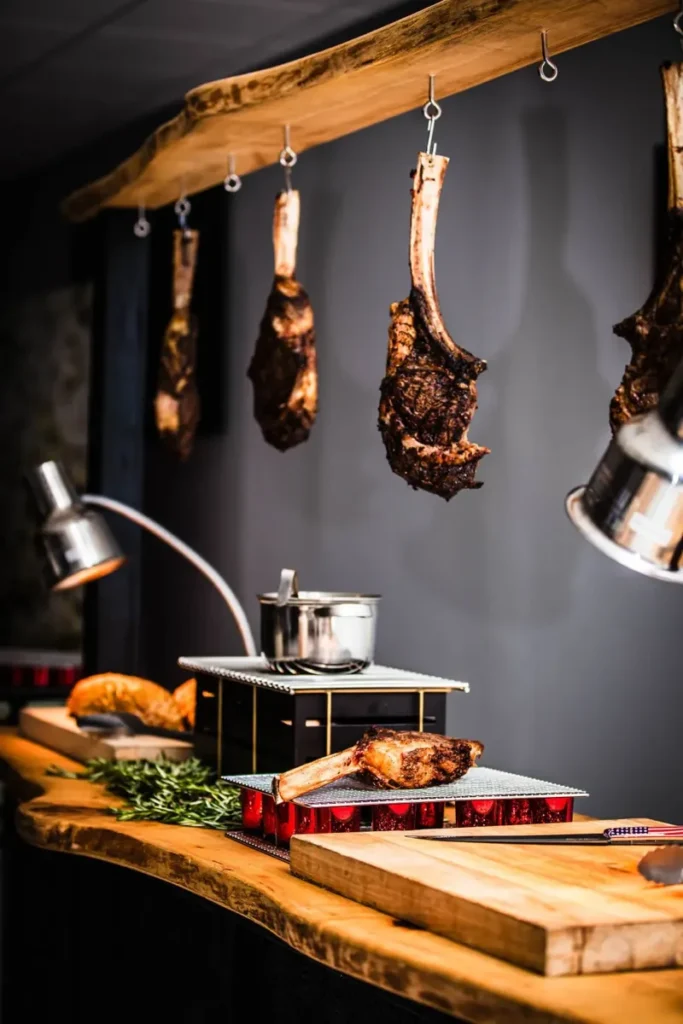
Large platters land in the center of each table. Guests serve themselves and pass dishes around. Staff bring fresh platters by course, clear empties, and keep the table full. Nobody leaves their seat, so conversation never breaks.
Buffet service
Dishes sit on a station or a long table. Guests get up, walk the line, and choose their own portions. Staff hold temperature, restock trays, and manage the flow. Guests move around the room, and most go back for seconds.
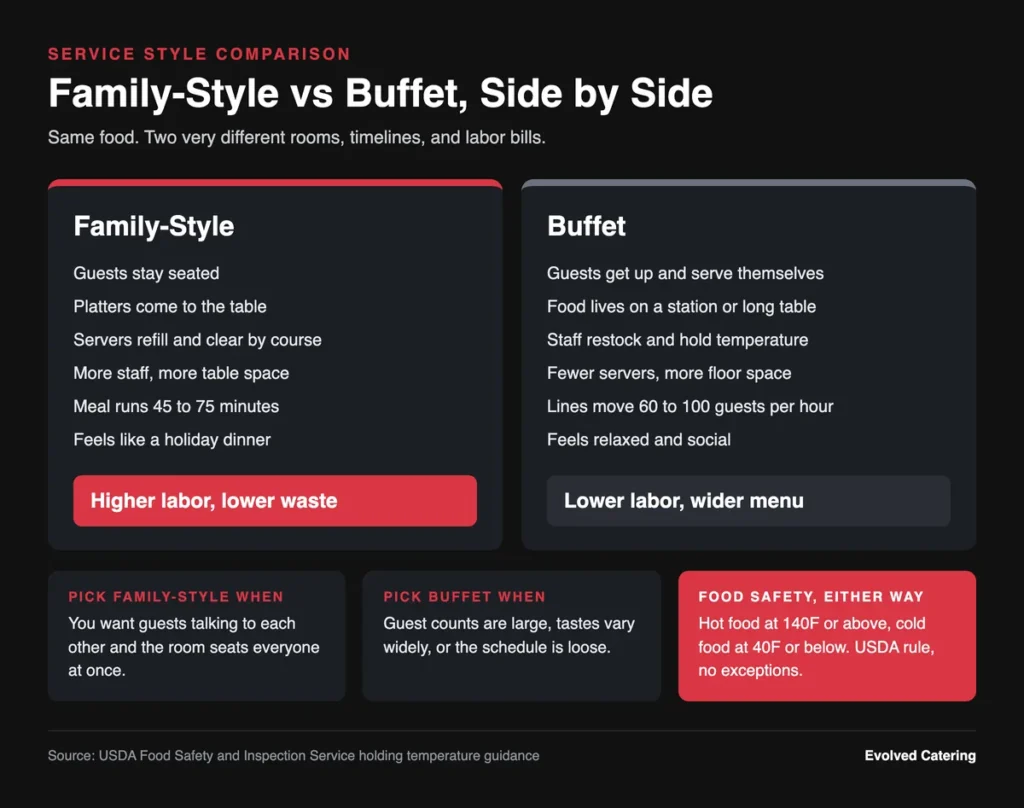
A well-run buffet line clears roughly 60 to 100 guests an hour per side. Family-style tends to run 45 to 75 minutes from the first platter to the last plate cleared, and it holds that pace whether you have 40 guests or 300.
There is a middle path too. Plenty of events run a family-style first course, then open a buffet for the mains, which gets the warmth of shared plates without the platter count a full family-style menu needs.
How the Cost Compares
Neither format is automatically cheaper. They spend your money in different places, which is why two quotes can land close together and feel nothing alike. If you are also weighing a formal sit-down option, see which costs more, plated dinner or buffet.
Buffet costs less in labor
Guests do the serving, so you need fewer servers on the floor. What you spend instead is equipment: chafers, station tables, serving utensils, sneeze guards, and the floor space to put them on.
Family-style costs more in staff
Someone has to carry, refill, and clear platters at every table, by course. More staff hours is the whole cost difference. In exchange, plating labor in the kitchen drops compared to plated service.
Food quantity swings the other way
Buffets need more food built in, because guests take what they want and go back for more. Family-style portions are set by the platter, so waste is easier to control. On a large guest count that gap closes much of the labor difference.
Room and rentals
Family-style needs table real estate for platters alongside place settings, which sometimes means larger tables or fewer seats per table. A buffet needs open floor for the line. Whichever one your venue cannot give you is the expensive one. If cost is what matters most for your specific event, our guide to buffet catering in Baltimore breaks down what a buffet quote typically includes.
The Practical Stuff Nobody Mentions Until Event Day
Food safety works the same in both formats, and it is not negotiable. The USDA Food Safety and Inspection Service calls 40F to 140F the danger zone, where bacteria can double in as little as 20 minutes. Hot food holds at 140F or above, cold food at 40F or below, and nothing perishable sits out past two hours.
That rule bites buffets harder because the food is exposed longer. A good crew rotates trays rather than topping up an old one, and pulls anything that has been sitting. If a caterer cannot explain their hold-and-rotate plan, that is your answer about them.
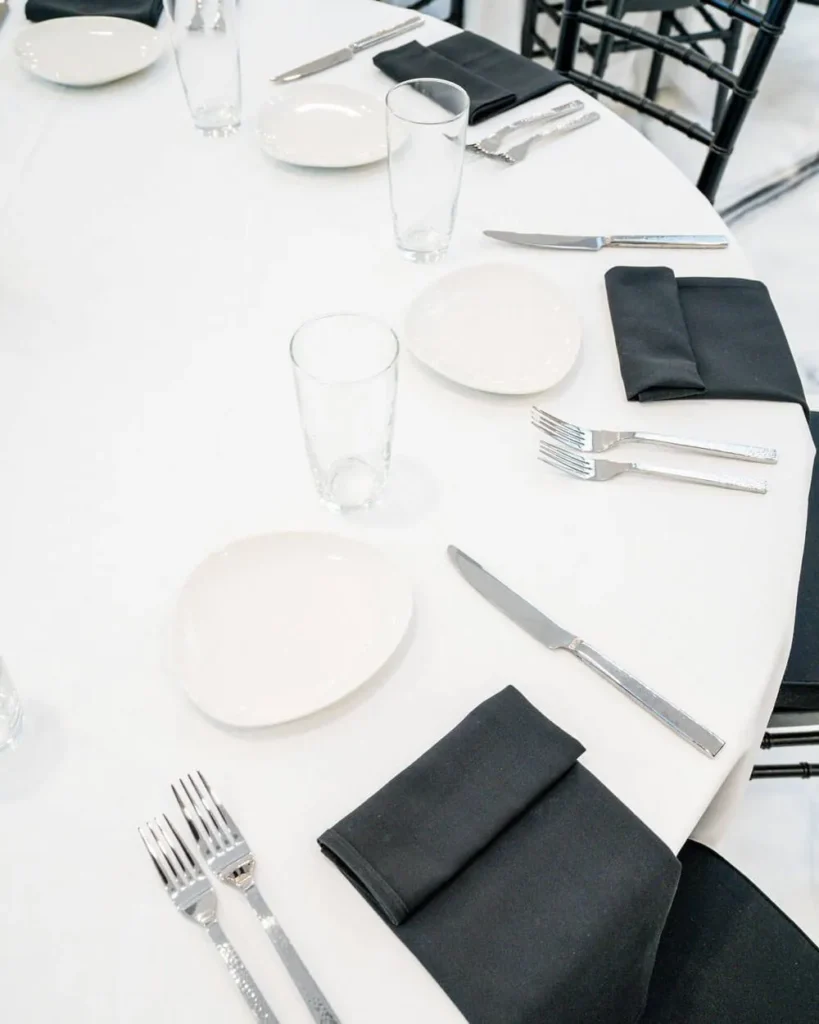
Family-style has its own trap: platter traffic. Every table needs room for three or four serving dishes plus place settings, water glasses, and centerpieces. We have walked into rooms where the florals had to shrink so the food could fit, and it is a better conversation to have during planning than at 5pm on event day.
Dietary needs also land differently. On a buffet, everything gets labeled and guests choose for themselves. Family-style takes more coordination, so we plate individual meals for guests with allergies and hand them off directly rather than trusting a shared platter.
Evolved Catering runs both formats week in and week out, from corporate dinners to wedding receptions, and Chef Zack Trabbold builds the menu around the format instead of forcing a dish into the wrong service style. Braises and roasts share beautifully. Anything with a crisp finish belongs on a station, not on a platter that sits for ten minutes.
How to Choose Between Them
Answer three questions and the decision is usually made for you.
First, does the room seat everyone at once? If yes, family-style is on the table. If guests are standing, mingling, or arriving across a two-hour window, a buffet fits better.
Second, how wide are the tastes in the room? Big mixed crowds do better with the variety a buffet offers, especially when kids and picky eaters are in the count.
Third, what do you want the meal to feel like? Family-style creates a holiday-dinner mood. A buffet creates a relaxed, social one. Neither is wrong, but they are not interchangeable. If your menu carries kosher requirements, see what kosher catering costs per guest before locking either format, since supervision and rentals change the math for both.
If cost is the deciding factor, price both. Our buffet catering team and our family-style team quote from the same menu, so you can see the real gap for your guest count instead of guessing at it.
Still weighing formats? Compare buffet against a plated dinner, check how many servers a 100-guest event needs, and if you are planning a grad party, read our graduation party catering ideas and costs.
One last note. Whichever way you go, lock the format before the final headcount, not after. Changing service style late means re-quoting staff, rentals, and floor plan all at once.
Family-Style vs Buffet Questions
Is family-style catering cheaper than a buffet?
Usually not, but it is close. Family-style spends more on servers and less on equipment and food volume. A buffet spends less on staff and more on chafers, station space, and the extra food guests take when they serve themselves.
Which format is faster for a large guest count?
A buffet with two open sides moves large groups fastest, roughly 60 to 100 guests an hour per side. Family-style holds a steady 45 to 75 minute meal regardless of size, but it needs enough servers and enough table space to work.
Can you do both at the same event?
Yes, and it is a common request. A family-style first course followed by buffet mains is a strong combination. Evolved Catering runs hybrid service across Baltimore events all season. Call 443-400-7336 and we will map it to your timeline.
Not Sure Which Format Fits Your Event?
Send us your venue, guest count, and timeline. Evolved Catering will quote the same menu both ways so you can see the real cost difference, then help you pick the format that fits the room instead of the trend.
Phone: 443-400-7336