







Build-your-own food stations let guests customize their plates while keeping corporate events interactive and fun. They work for everything from team lunches to client appreciation dinners.
If you are planning a company event, corporate catering in Baltimore gives you creative options that go beyond the standard boxed lunch.
This guide covers the best food station ideas, how they compare to buffets, and tips for setting them up at your next event.
Top Food Station Ideas for Corporate Events
The best food stations give guests control over what they eat. Each person builds a plate that fits their taste and dietary needs.
Taco Bar Station
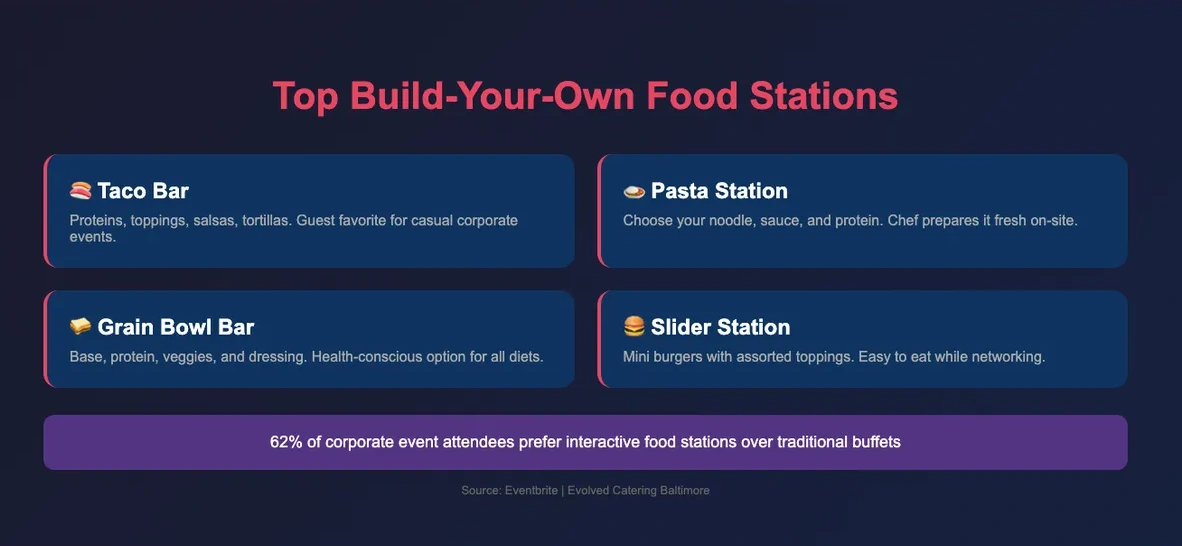
A taco bar is one of the most popular corporate food stations. Guests choose between soft and hard shells, then add proteins like grilled chicken, carnitas, or black beans.
Top it off with salsas, guacamole, cheese, and fresh cilantro. Taco bars are affordable, crowd-friendly, and easy to make gluten-free or vegetarian.
Grain Bowl Station
Grain bowls start with a base of rice, quinoa, or mixed greens. Guests add proteins, roasted vegetables, sauces, and toppings like pickled onions or toasted seeds.
This station appeals to health-conscious teams. It also handles dietary restrictions without needing separate menus.
Mac and Cheese Bar
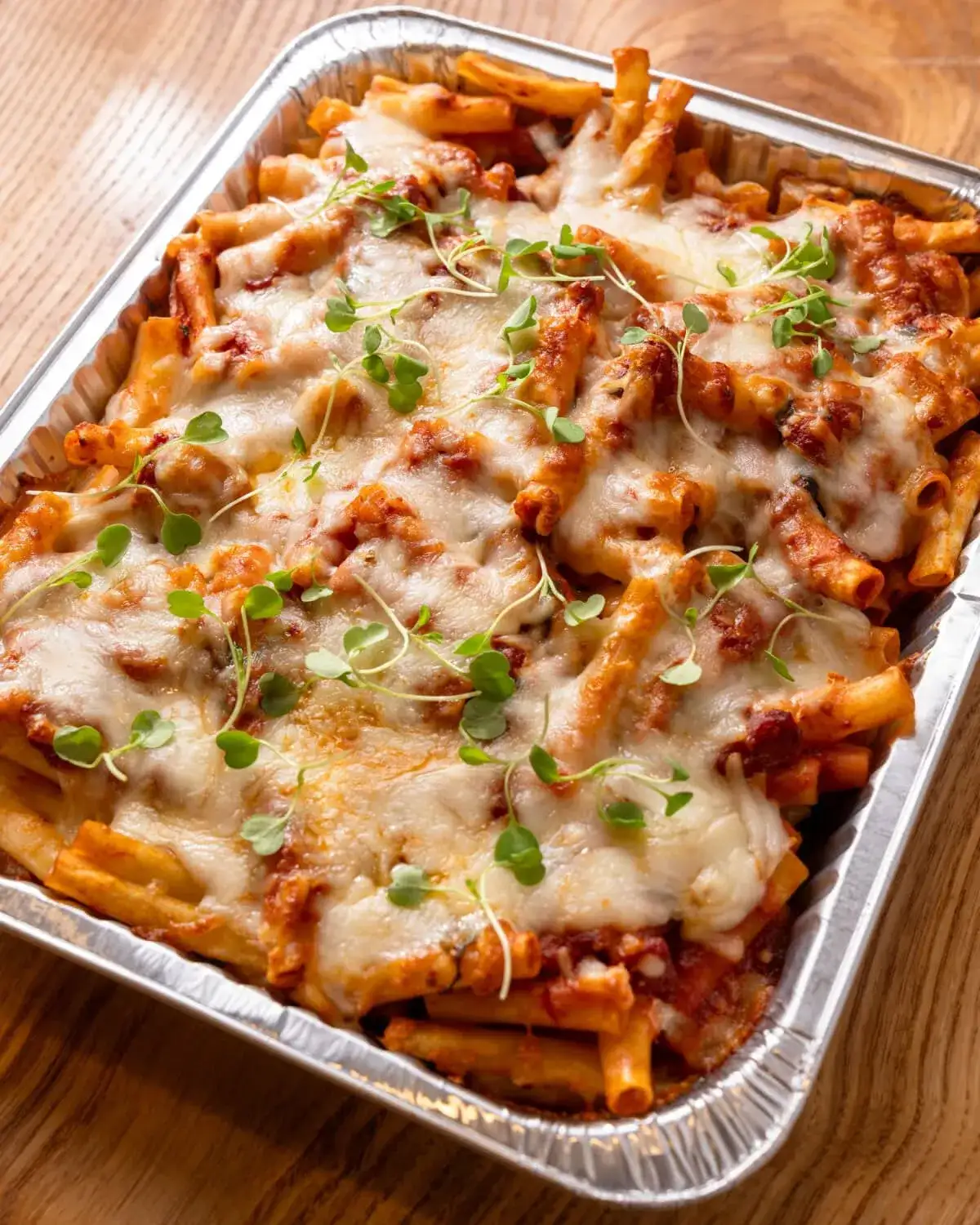
A mac and cheese bar starts with a creamy base and lets guests pile on toppings. Popular add-ons include bacon, jalapenos, pulled pork, and truffle oil.
This station works especially well for casual team events and holiday parties. It feels indulgent without being expensive.
Slider Station
Mini sliders let guests try multiple flavors without committing to one entree. Offer beef, chicken, and plant-based patties with a variety of sauces and toppings.
According to Eventbrite, interactive food stations are among the top catering trends for corporate events, with 62 percent of event planners reporting higher guest satisfaction when food stations are offered.
How Food Stations Compare to Traditional Buffets
Guest Engagement
Buffets create a single line where everyone takes the same food. Food stations spread guests across the room and encourage movement and conversation.
This makes food stations a better choice for networking events. Guests naturally mingle as they move between stations.
Food Waste
Buffets often lead to overproduction because caterers prepare full trays of every item. Food stations reduce waste because guests only take what they want.
The Natural Resources Defense Council reports that up to 40 percent of food in the United States goes to waste. Interactive food stations help reduce this by giving guests portion control.
Cost Comparison
Food stations and buffets cost about the same per person, typically $25 to $50 for corporate events. Stations may cost slightly more due to extra setup and staffing.
The added engagement and lower waste often make up for the small price difference. Most companies find the investment worthwhile.
Why Baltimore Companies Love Interactive Catering
Baltimore has a growing corporate event scene, especially in areas like the Inner Harbor, Harbor Point, and Canton. Companies in the DMV are moving away from boring box lunches.
At Evolved Catering Baltimore, Zack Trabbold has built food stations for tech companies, law firms, and nonprofits across the city. His team designs each station to match the company culture and event purpose.
Team Building Through Food
Food stations turn eating into an activity. When employees build their own plates side by side, it sparks conversation and connection.
Several Baltimore companies now request food stations specifically for team-building days and new employee orientations.
Impressing Clients
When you host clients or prospects, the catering sets the tone. A creative food station tells guests your company pays attention to details.
This is especially true for client appreciation events and product launches. The food becomes part of the experience, not just fuel.

How to Set Up Food Stations for Your Next Corporate Event
Planning food stations takes a little more thought than a standard buffet. Here is how to get it right.
Choose 3 to 5 Stations
For groups of 30 to 100, three to five stations keep the flow moving without overwhelming guests. Each station should offer a different flavor profile or cuisine.
Space the Stations Out
Do not cluster stations in one corner. Spread them across the room to encourage movement and prevent bottlenecks.
Leave at least 6 feet of clearance around each station for comfortable traffic flow.
Label Everything Clearly
Use printed cards that list each item and flag common allergens. Guests with dietary restrictions will appreciate the clarity.
If you want to make sure you are covering all the details, our guide on questions to ask a caterer before booking is a great starting point.
For tips on creating a corporate meal that leaves a lasting impression, read how to plan a corporate lunch that impresses clients.
And to compare your options, check out drop-off vs full-service catering so you know which level of service works best.
Frequently Asked Questions About Food Stations for Corporate Events
Three to four stations work well for a group of 50. This gives guests variety without creating long wait times at any one station.
Food stations cost about the same as a buffet, typically $25 to $50 per person for corporate events in Baltimore. The slight increase in setup cost is offset by less food waste.
Yes, food stations are one of the best formats for dietary restrictions. Guests in Baltimore and the DMV area can skip ingredients they avoid and build a plate that works for them.